Imagine walking into a home in Cleveland’s bustling University Circle neighborhood, only to discover an unattended death has left behind a scene of unimaginable horror. The air thick with odors, surfaces tainted by unseen dangers—this is the grim reality of decomposition and biohazards. At Cleveland Unattended Death Cleanup, we’ve seen it all, and we’re here to shed light on these shocking truths. Understanding the process isn’t just morbid curiosity; it’s essential knowledge that can protect your health and property. In this post, we’ll dive deep into the science, risks, and solutions, with tips tailored for our local community.
Whether you’re a homeowner in Parma or a property manager in Detroit-Shoreway, knowing what happens after an unattended death can prepare you for the worst. Let’s uncover the facts that could save lives—and homes.
The Decomposition Process: A Timeline of Decay
Decomposition isn’t a quick event; it’s a biological breakdown that unfolds in stages, each more shocking than the last. Right after death, the body enters autolysis, where cells begin to self-digest due to lack of oxygen. Within hours, bacteria in the gut multiply, producing gases that cause bloating.
Stage 1: Fresh Phase (First 24-72 Hours)
In the initial phase, the body looks relatively unchanged, but rigor mortis sets in, stiffening muscles. For Cleveland families discovering a loved one in Garfield Heights, this stage might pass unnoticed if the death goes unreported. Internally, enzymes break down tissues, releasing fluids that start the odor—subtle at first, like a faint sweetness, but building rapidly.
Stage 2: Bloat and Active Decay (Days 3-10)
Here’s where it gets shocking: Gases from bacterial fermentation inflate the body, sometimes causing skin to split. Purge fluids—dark, foul-smelling mixtures of blood and decomposition byproducts—leak out, seeping into carpets and walls. In humid Cleveland summers, this accelerates, turning a quiet Brooklyn apartment into a biohazard zone overnight.
Stage 3: Advanced Decay and Dry Remains (Weeks to Months)
As the body liquefies, insects and microbes feast, reducing soft tissues to a skeleton. But the biohazards linger: Pathogens like Clostridium perfringens thrive, posing infection risks. In unattended cases, this can span months, especially in sealed homes during Ohio’s harsh winters.
Practical Tip: If you suspect an unattended death, don’t enter the space. Call professionals immediately for 24/7 emergency response to assess and contain the scene safely.
Biohazards Unleashed: The Hidden Dangers
Decomposition isn’t just visually disturbing—it’s a toxic cocktail of biohazards that can infiltrate your living space. Bloodborne pathogens, such as hepatitis B and C, HIV, and even antibiotic-resistant bacteria, survive long after death.
Pathogens and Infectious Risks
The fluids from decomposition carry millions of microbes. A single drop of blood can contaminate surfaces, leading to airborne spores if disturbed. In Cleveland’s older homes, with porous brick and wood, these hazards embed deeply, requiring specialized blood spill remediation.
Shocking Fact: Studies show that untreated scenes can harbor viable pathogens for up to a year, putting first responders and family at risk of severe illnesses like sepsis or respiratory infections.
Chemical Byproducts and Structural Damage
As tissues break down, they release volatile organic compounds (VOCs) like cadaverine and putrescine, creating that infamous stench. These chemicals corrode metals, stain walls, and weaken structures. We’ve handled cases in Parma where floors buckled from fluid saturation, necessitating full structural damage repair.
Actionable Advice: Ventilate the area if safe, but never attempt DIY cleanup. Use our insurance claim support to cover restoration costs—many policies in Ohio include biohazard incidents.
Why Unattended Deaths Are a Growing Concern in Cleveland
Cleveland’s aging population and urban density make unattended deaths more common. According to local health reports, isolated seniors in neighborhoods like Detroit-Shoreway are particularly vulnerable. The opioid crisis has exacerbated this, with overdoses often going undiscovered for days.
In 2022 alone, Cuyahoga County saw hundreds of such cases, straining emergency services. The emotional toll is immense, but so is the physical one—neighbors report health issues from lingering odors and contaminants.
Local Impact: Cleveland’s Unique Challenges
Our lake-effect weather hastens decay in warmer months and preserves hazards in cold snaps. High-rise apartments in University Circle complicate access, while suburban homes in Brooklyn hide scenes longer.
Practical Tip: Install medical alert systems for at-risk loved ones. If tragedy strikes, contact Cleveland Unattended Death Cleanup at (216) 377-0941 for discreet, rapid intervention.
Remediation Essentials: How Professionals Handle the Horror
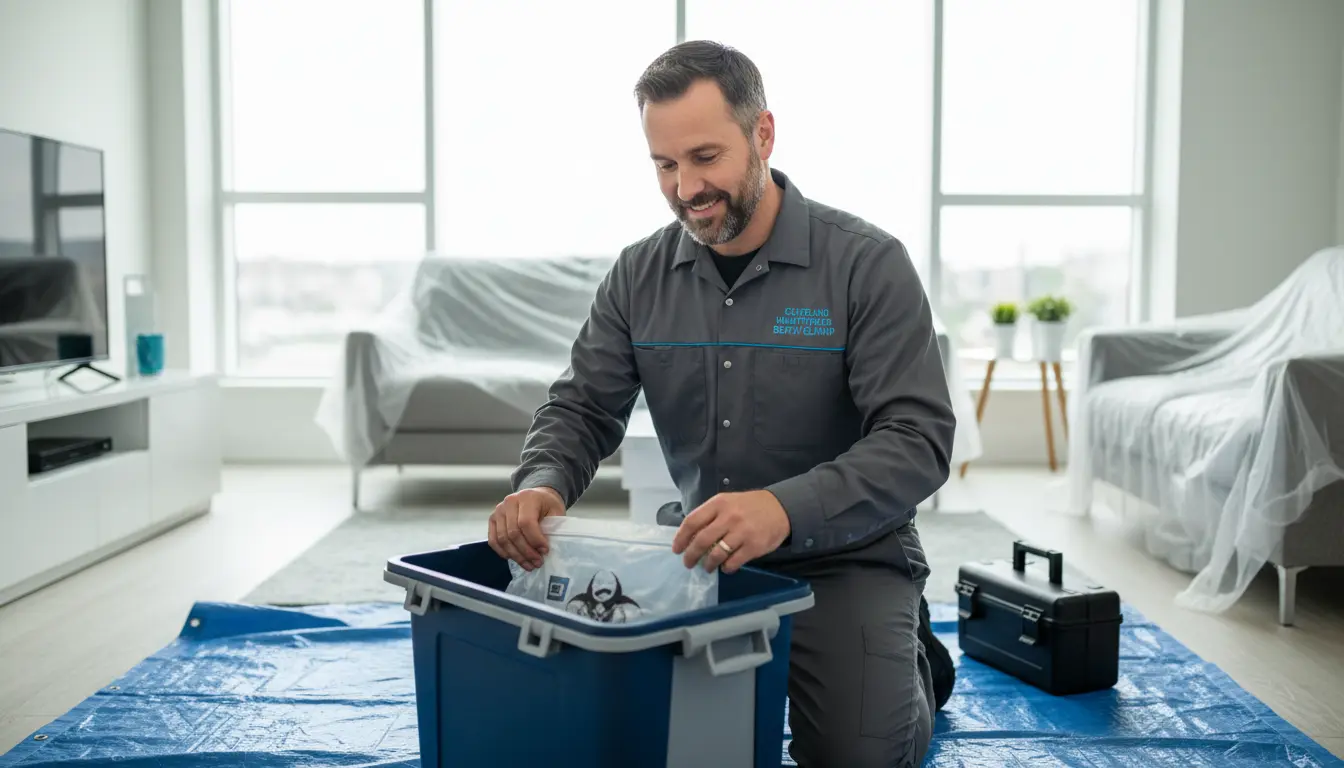
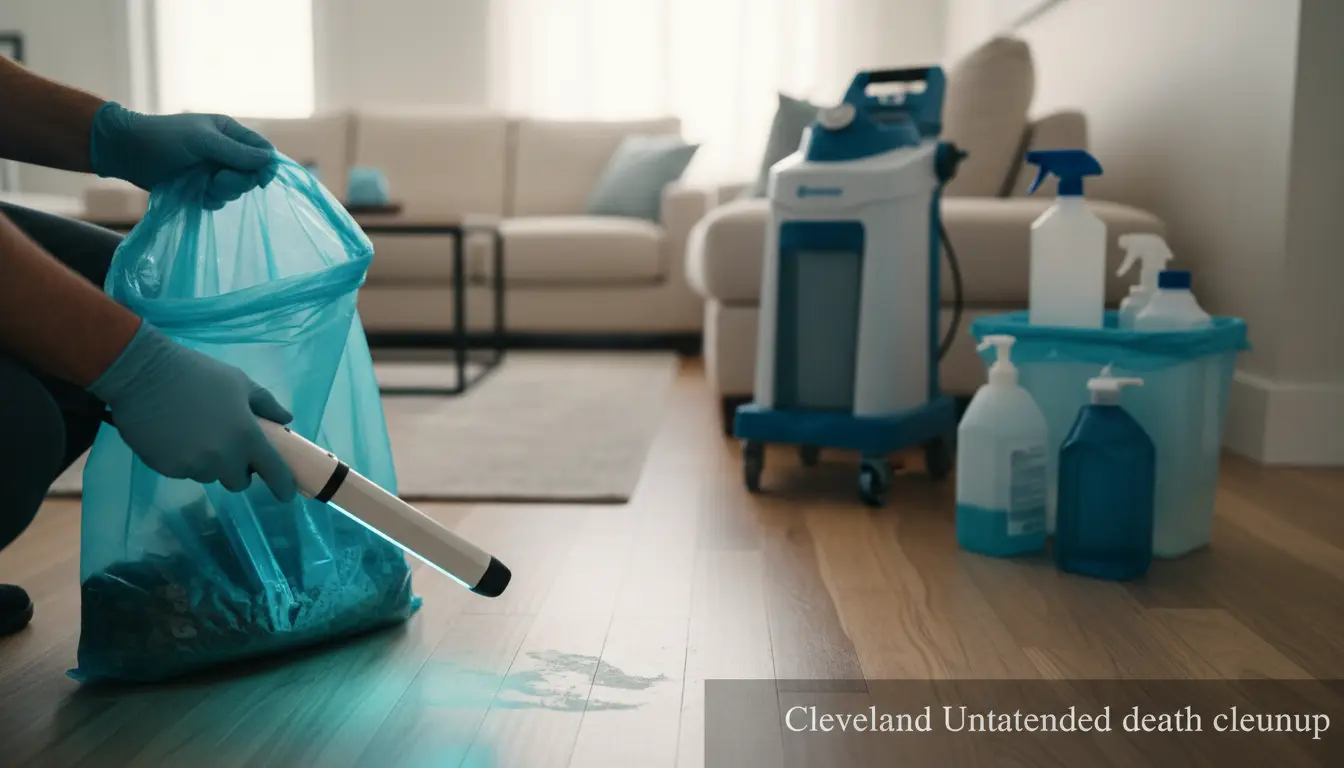
Cleaning up isn’t a weekend chore—it’s a regulated process requiring EPA-approved protocols. Our team uses PPE, HEPA vacuums, and enzymatic cleaners to neutralize biohazards.
Step-by-Step Cleanup Process
- Assessment: We evaluate the scene for safety, documenting for insurance.
- Containment: Seal off areas to prevent cross-contamination, crucial in multi-unit Garfield Heights buildings.
- Removal: Extract fluids and tissues using specialized tools.
- Disinfection: Apply hospital-grade sanitizers, including wall surface sanitization to eliminate odors at the source.
- Restoration: Repair damages, returning your property to pre-incident condition.
Actionable Advice: Document everything with photos before we arrive—it aids claims. For ongoing maintenance, schedule annual biohazard audits in high-risk homes.
Shocking Fact: Amateur cleanups lead to 70% reinfestation rates, per industry data. Pros like us ensure one-and-done results.
FAQ: Common Questions About Decomposition and Biohazards
What Should I Do If I Discover an Unattended Death in My Cleveland Home?
First, secure the area and call 911. Then, reach out to us at (216) 377-0941 for compassionate cleanup. Avoid touching anything to prevent exposure.
How Long Does the Decomposition Odor Last?
Without professional intervention, it can persist for months. Our methods neutralize it in days, using ozone and sealants.
Are Biohazards a Risk to Pets or Neighbors?
Yes—odors and particles can travel through vents. In dense areas like Parma, prompt remediation protects the community.
Does Homeowners Insurance Cover Unattended Death Cleanup?
Most policies do, under biohazard or trauma scene coverage. We provide insurance claim support to maximize your payout.
Can I Clean It Myself to Save Money?
Absolutely not—it’s illegal in Ohio without certification and poses severe health risks. Trust experts for safety and compliance.
Conclusion: Don’t Face the Aftermath Alone
The facts about decomposition and biohazards are shocking, but knowledge empowers you. In Cleveland, where community ties run deep, an unattended death affects more than one family—it’s a ripple of trauma and contamination. At Cleveland Unattended Death Cleanup, we’re committed to restoring not just spaces, but peace of mind.
If you’re dealing with this nightmare or want to prepare, call us today at (216) 377-0941. Our 24/7 emergency response team is ready to serve Brooklyn, University Circle, and beyond. Act now—your safety can’t wait.