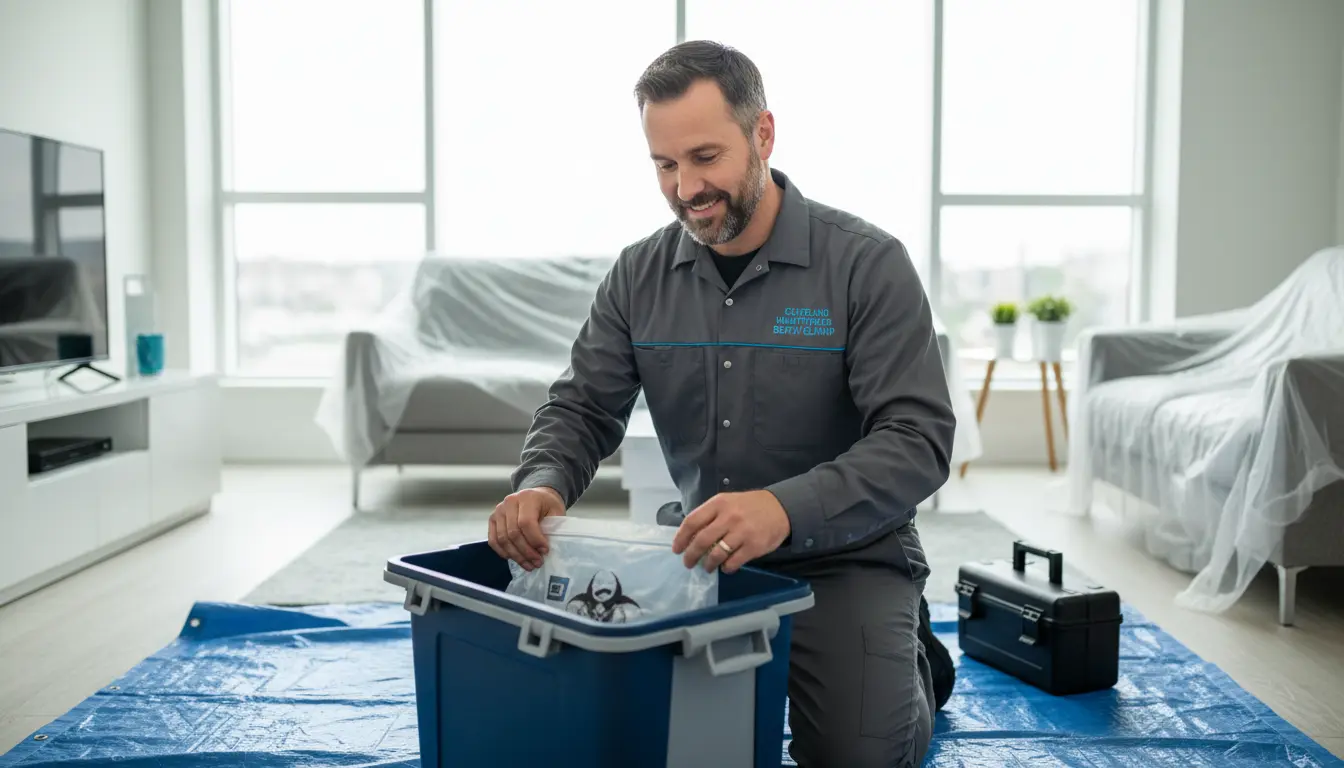
Every year, dozens of such events occur across Cuyahoga County, often in older residential buildings where a person may live alone for days or weeks before being discovered. The aftermath involves not only emotional distress for families and property owners but also serious biohazard risks that require immediate, specialized intervention. Without proper remediation, bloodborne pathogens, bacteria, and volatile organic compounds can linger, posing long-term health threats to anyone who enters the property.
That is where Cleveland Unattended death cleanup steps in. As a certified biohazard remediation provider serving Lakewood, Cleveland, and the surrounding communities, we combine technical expertise with compassionate service. We understand the local architecture, the seasonal challenges of the Great Lakes climate, and the regulatory landscape of Ohio. Our goal is to return affected properties to a safe, habitable condition while respecting the sensitivity of the situation.
The Technical Process: Step-by-Step Remediation
Professional unattended death cleanup is far more than a deep clean. It is a forensic restoration process governed by strict protocols from OSHA, the EPA, and the IICRC S540 Standard for Trauma and Crime Scene Cleanup. Every job begins with a thorough risk assessment. Our technicians arrive in full personal protective equipment (PPE)—including Tyvek suits, N95 respirators, and chemical-resistant gloves—to prevent cross-contamination and exposure to bloodborne pathogens such as hepatitis B, hepatitis C, and HIV.
The first operational step is containment. We set up negative air machines equipped with HEPA filtration to create a pressure differential that prevents airborne contaminants from spreading to unaffected areas of the property. This is especially critical in Cleveland’s multi-unit buildings, where shared ventilation systems can quickly carry odors and pathogens into neighboring units. Once containment is established, we proceed with physical removal of all biohazardous materials, including saturated carpet, padding, drywall, and subflooring. For porous materials like the historic plaster walls common in Lakewood’s older homes, replacement is often the only safe option because biological fluids can seep deep into the structure.
After removal, we apply EPA-registered hospital-grade disinfectants and enzyme treatments that break down organic matter at the molecular level. The cleaning process is verified using adenosine triphosphate (ATP) fluorescence testing, which measures biological residue on surfaces. Only when ATP readings fall below industry thresholds do we consider the area decontaminated. Finally, we perform structural decontamination and odor neutralization using ozone treatment or hydroxyl generators, ensuring the space is free from any lingering decomposition smells. In cases where the HVAC system has been compromised, we conduct HVAC system deodorization to prevent recirculation of contaminants.
Local environmental factors add another layer of complexity. The Great Lakes-effect humidity in Cleveland accelerates the decomposition rate, especially during summer months. Warm, moist air can cause biological fluids to wick further into wood and drywall, expanding the affected area. Conversely, winter presents logistical challenges—ice and snow can delay site access, and cold temperatures may slow the breakdown of biological matter, prolonging the odor release when the space warms up. Our team accounts for these variables in every remediation plan, adjusting drying times and re-inspection schedules accordingly.
Data Comparison: Professional Remediation vs. Standard Janitorial Cleaning
Property owners often wonder why they cannot simply hire a local cleaning service to handle the aftermath. The differences are stark, as shown in the table below. A professional biohazard remediation company operates under regulatory and safety frameworks that standard cleaning services do not have.
| Feature / Metric | Professional Biohazard Remediation | Standard Residential Cleaning |
|---|---|---|
| Regulatory Compliance | OSHA 29 CFR 1910.1030, EPA waste disposal, IICRC S540 | None (general cleaning standards only) |
| Pathogen Elimination | Hospital-grade disinfectants, ATP verification, >99.9% reduction | Household bleach (ineffective on porous surfaces, can cause secondary damage) |
| Structural Assessment | Complete evaluation of subfloor, drywall, HVAC, and cavities | Visual surface inspection only |
| Odor Removal | Negative air, ozone, hydroxyl, enzyme treatments | Air fresheners (temporary, do not address source) |
| Waste Disposal | Licensed biohazard waste transport and incineration | Illegal to mix with municipal trash |
| Insurance Documentation | Detailed reports, photos, chain-of-custody for claims | No documentation provided |
The takeaway is clear: unattended death cleanup is not a surface-level job. It requires specialized training, equipment, and disposal procedures. Attempting to cut corners with a standard cleaner can lead to health code violations, property damage, and legal liability. For property owners in Lakewood and nearby communities, trusting a certified provider is both a safety and financial decision.
Expert Insights: Diagnostic Tips and Common Mistakes
Diagnostic Tip 1: Hidden Biological Seepage
One of the most overlooked aspects of unattended death cleanup is biological fluid migration. When a body decomposes, fluids can travel along floor joists, under baseboards, and into wall cavities. Even if the visible area seems small, the actual contamination zone can be three to four times larger. Our team uses moisture meters and thermal imaging to detect hidden saturation. In many Cleveland homes with crawl spaces, we have found fluid pooling in subfloor insulation that would have been missed by a visual inspection alone.
Diagnostic Tip 2: Porous Material Replacement vs. Cleaning
Many property owners assume that strong disinfectants can salvage contaminated drywall or carpet. In reality, IICRC standards dictate that any porous material that has been exposed to bodily fluids must be removed and replaced. The reasoning is simple: fluids penetrate beyond the surface, and no amount of chemical cleaning can reach the interior of a porous material. Attempting to clean instead of replace can leave behind pathogens that become active when the material is later disturbed, such as during renovation or painting.
Diagnostic Tip 3: Negative Pressure to Prevent Cross-Contamination
Cross-contamination prevention is a core principle of forensic restoration. Without negative air pressure, airborne bacteria and fungal spores can travel throughout the entire building, affecting other rooms and even neighboring units. In multi-family buildings common in Lakewood, this can lead to widespread health complaints. Our standard protocol includes sealing off the work area with polyethylene sheeting and using negative air machines that exhaust filtered air outside.
Common Mistake 1: Using Household Bleach on Biological Matter
Bleach is often the first product people reach for, but it is not recommended for biohazard cleanup. Bleach can corrode metals, damage flooring, and—most importantly—it does not effectively kill all bloodborne pathogens when exposed to organic matter. The proteins in blood can actually shield viruses and bacteria from bleach. Professional remediation uses EPA-registered disinfectants specifically formulated for bloodborne pathogens.
Common Mistake 2: Waiting for Odor to Dissipate Naturally
Decomposition odors are caused by volatile organic compounds such as putrescine and cadaverine. These compounds do not simply evaporate over time; they adsorb into porous surfaces and can persist for months or years. Waiting only allows the odor to embed deeper into the structure, making removal more expensive and less effective. Prompt remediation is essential.
Common Mistake 3: Allowing Untrained Personnel into the Site
Well-meaning friends or family members may offer to help clean, but entering a biohazard scene without proper PPE and training exposes them to serious health risks. Bloodborne pathogens can enter through cuts or mucous membranes. Additionally, untrained individuals may inadvertently spread contaminants to other parts of the property. Professional remediation protects everyone involved.
Pricing Considerations for Unattended Death Cleanup
Pricing for unattended death cleanup near Lakewood varies based on several factors, but property owners should expect a structured approach rather than a flat rate. Here are typical cost components:
- Site mobilization fee: A base fee covering travel, equipment setup, and initial assessment. For locations within 30 miles of Cleveland, this typically ranges from $250 to $500.
- Hourly remediation rate: Most professional companies charge between $150 and $300 per hour per technician, with a minimum of 2 to 4 hours. The number of technicians depends on the size of the scene.
- Specialized disposal fees: Biohazard waste must be transported by licensed carriers and incinerated. Costs are based on weight—usually $50 to $150 per 50-pound bag.
- Structural material replacement: If subflooring, drywall, or insulation must be removed, materials and labor add significant cost. A typical room of 200 square feet can run $1,000 to $3,000 for full replacement.
- HVAC decontamination: If the HVAC system is contaminated, cleaning and ductwork sealing can add $500 to $1,500.
Three major factors that influence the total cost are: (1) the extent of structural material replacement required—homes with historic plaster and lath often need more extensive removal; (2) the total volume of biohazardous waste—longer decomposition periods produce more fluid and tissue; and (3) the necessity for specialized HVAC decontamination, which is common in buildings with forced-air systems. Most homeowner’s insurance policies cover unattended death cleanup under their liability or dwelling coverage, and we provide insurance claim support to help clients navigate the process.
Safety and Standards: The Regulatory Backbone
Every unattended death cleanup we perform adheres to rigorous safety standards. Our technicians are trained under the OSHA Bloodborne Pathogens Standard 29 CFR 1910.1030, which requires annual training, proper use of PPE, and a written exposure control plan. We also follow the EPA’s guidelines for disposal of regulated medical waste, using licensed transporters and incinerators that comply with Ohio Environmental Protection Agency requirements.
The Institute of Inspection, Cleaning and Restoration Certification (IICRC) S540 standard for trauma and crime scene cleanup is our operational framework. It covers everything from initial site assessment to final clearance testing. Compliance with these standards is not just bureaucratic—it directly protects property owners from liability. If a property is sold or rented after inadequate cleanup, future occupants could be exposed to pathogens, leading to lawsuits. Additionally, improper disposal of biohazardous waste can result in fines from local health departments.
In Cuyahoga County, the health department may require documentation of professional remediation before allowing reoccupancy. Our standard procedure includes providing a detailed remediation report with photographs, ATP test results, and waste disposal manifests. This documentation satisfies regulatory requirements and supports insurance claims, giving property owners peace of mind.
Frequently Asked Questions
What makes unattended death cleanup different from regular cleaning?
Unattended death cleanup involves the removal of biological fluids, tissue, and decomposition byproducts that carry bloodborne pathogens and volatile organic compounds. These contaminants require specialized disinfectants, PPE, and disposal methods that go far beyond standard cleaning. Furthermore, the cleanup must address hidden saturation in porous materials and structural components to prevent long-term health risks and odor issues. Standard cleaning crews are not trained or equipped to handle these hazards safely.
How soon after discovery should cleanup begin?
Immediately. The longer biological materials remain, the deeper they penetrate building materials, and the more they decompose, releasing stronger odors and increasing pathogen load. Most professional services, including ours, offer 24/7 emergency response to minimize damage. In Cleveland’s humid climate, a delay of even 12 hours can make a significant difference in the extent of structural contamination and the overall cost of restoration.
Will my insurance cover unattended death cleanup?
Many homeowner’s and landlord insurance policies cover biohazard remediation under dwelling coverage or liability clauses. However, coverage depends on the specific policy and the circumstances of the death. We recommend contacting your insurance provider immediately. Our team assists with documentation and direct communication with adjusters to streamline the claims process. We have experience working with major insurers in the Cleveland area.
Is it safe to stay in the home during cleanup?
No. During active remediation, the affected area is sealed off and negative air machines are running to contain airborne contaminants. Even if the work area is isolated, there is a risk of cross-contamination if the building’s HVAC system is involved. We advise occupants to vacate the property until the cleanup is complete and final clearance testing confirms the space is safe. In multi-unit buildings, neighboring units may also need temporary evacuation if the HVAC system is shared.
What happens to personal belongings at the scene?
Personal belongings that are contaminated or located within the affected zone must be carefully assessed. Non-porous items can often be cleaned and disinfected, but porous items like clothing, bedding, and upholstered furniture typically require disposal. We offer personal belongings removal services, handling items with respect and thorough documentation. For sentimental items that are salvageable, we coordinate with families to ensure safe handling and storage.
Professional Biohazard Remediation in Cleveland
Unattended death is a traumatic event that leaves behind physical and emotional challenges. For property owners in Lakewood and nearby communities, the path to restoration requires expertise, compassion, and adherence to the highest safety standards. Cleveland Unattended death cleanup brings all of that to every job. Our technicians are certified in biohazard remediation, trained in OSHA and IICRC protocols, and intimately familiar with the unique conditions of Northeast Ohio—from the humidity of Lake Erie summers to the structural quirks of century-old homes.
We handle every aspect of the process: from initial assessment and containment to structural decontamination, odor neutralization, and final documentation. Our goal is not just to clean a space, but to restore it to a condition that is safe for reoccupancy and free from any reminders of the event. We work discreetly, respectfully, and efficiently, minimizing disruption to neighbors and family members.