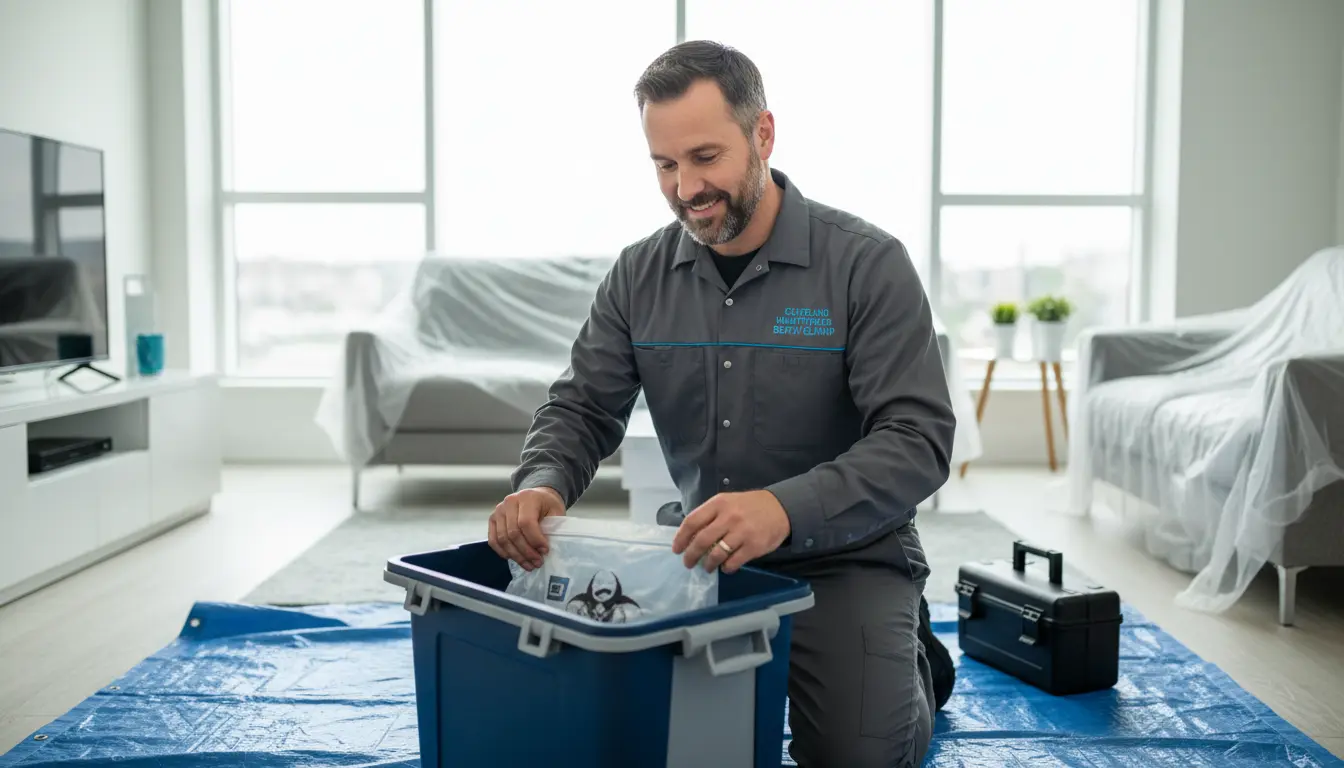
According to the Ohio Department of Health, Cuyahoga County sees an average of 120 unattended deaths discovered annually, with over 60% of those cases requiring professional biohazard remediation due to the advanced stage of decomposition at the time of discovery. This startling statistic underscores the critical need for specialized cleanup services that go far beyond standard residential cleaning. When a death goes unnoticed for days or weeks, the biological breakdown releases pathogens, enzymes, and odors that penetrate porous materials, HVAC systems, and subflooring, creating a hazardous environment that threatens both structural integrity and public health.
Professional biohazard remediation is not optional in these scenarios—it is a regulatory and safety imperative. The Cleveland unattended death cleanup pricing guide for 2026 provides families, property managers, and real estate professionals with a transparent breakdown of costs, factors that influence pricing, and the technical expertise required to restore a property safely. At Cleveland Unattended Death Cleanup, we adhere to the strictest IICRC S540 standards and OSHA guidelines, ensuring every site is fully decontaminated and returned to a habitable condition. Our pricing reflects the complexity of the work, not a one-size-fits-all estimate.
Technical Process: Step-by-Step Professional Remediation
Every unattended death cleanup follows a rigorous, science-based workflow designed to eliminate biological hazards, prevent cross-contamination, and restore the property to a safe state. The process begins with an initial risk assessment where our certified technicians evaluate the scene for bloodborne pathogens, airborne particulates, and structural damage. Using industrial-grade negative air machines, we create a controlled environment that prevents bioaerosols from spreading to unaffected areas of the home. This is especially critical in Cleveland’s older residential neighborhoods, where shared walls and historic construction materials can harbor seepage.
Once the scene is contained, technicians in full PPE (Level B or C suits, N100 respirators, and chemical-resistant gloves) physically remove all biohazardous materials, including saturated carpet, padding, drywall, insulation, and wood flooring. All waste is double-bagged and disposed of according to Ohio EPA regulations. Next, we apply EPA-registered hospital-grade disinfectants and enzyme treatments that break down organic matter at the molecular level. After cleaning, we use adenosine triphosphate (ATP) fluorescence testing to verify that no biological residue remains. Final steps include structural encapsulation with antimicrobial sealants and odor neutralization via ozone treatment or hydroxyl generators.
Cleveland’s humid continental climate, influenced by Lake Erie, accelerates decomposition rates and can cause odor migration through floor joists and wall cavities. Our technicians are trained to address these regional variables, including the need for sub-floor remediation in historic homes common in neighborhoods like Slavic Village and Detroit Shoreway. Winter ice management also poses logistical challenges: we ensure our response vehicles are equipped to navigate icy streets, and we use heated containment units to prevent freezing of disinfectants and waste materials during transport.
Data Comparison: Professional Remediation vs. Standard Cleaning
To understand why professional biohazard remediation costs more than a standard janitorial service, it helps to compare the two side by side. The table below outlines the key differences in compliance, methodology, and outcomes.
| Feature/Metric | Professional Biohazard Remediation | Standard Residential Cleaning |
|---|---|---|
| Regulatory Compliance | OSHA 29 CFR 1910.1030, EPA waste disposal, IICRC S540 | None (general cleaning only) |
| Pathogen Elimination | EPA-registered hospital-grade disinfectants, ATP testing | Household bleach or all-purpose cleaners (ineffective against bloodborne pathogens) |
| Structural Assessment | Full inspection for hidden seepage, porous material replacement | Surface cleaning only; no assessment of subfloor or HVAC contamination |
| Odor Removal | Ozone, hydroxyl, thermal fogging, enzyme treatments | Air fresheners or deodorizers (masking, not eliminating) |
| Waste Disposal | Ohio EPA-approved biohazard waste transport and incineration | Normal trash pickup (illegal and unsafe) |
| Insurance Coverage | Typically covered by homeowner’s or property insurance | Not covered; potential liability for improper cleanup |
Expert Insights: Advanced Diagnostic Tips and Common Mistakes
Based on over a decade of field experience in Cleveland, our certified senior remediation specialists have identified three critical diagnostic techniques that distinguish professional remediation from amateur attempts. First, detecting hidden biological seepage requires thermal imaging and moisture meters. Blood and other bodily fluids can wick up drywall, travel along baseboards, and pool beneath flooring without visible signs. Second, porous materials like carpet, upholstery, and unsealed wood must almost always be removed and replaced because disinfection cannot penetrate their internal fibers. Third, maintaining negative pressure in the containment zone is non-negotiable—without it, airborne pathogens can travel to adjacent rooms and even the HVAC system, causing secondary contamination.
Property owners often make several costly mistakes when faced with an unattended death. Using household bleach on biological material is a common error: bleach oxidizes proteins but does not fully eliminate pathogens; it also creates toxic fumes when mixed with bodily fluids. Waiting for odor to dissipate naturally is another mistake—decomposition odors are caused by volatile organic compounds that persist indefinitely and can trigger respiratory issues. Allowing untrained personnel, such as family members or general contractors, to enter the site exposes them to bloodborne pathogens and can lead to long-term health complications, including hepatitis B, hepatitis C, and HIV. Furthermore, improper cleanup can void insurance claims and decrease property value.
Pricing: What to Expect for Cleveland Unattended Death Cleanup in 2026
- Standard site mobilization fee: $150–$350, covering dispatch, assessment, and setup of containment equipment. This is a one-time fee added to every job regardless of size.
- Hourly remediation rates: $150–$300 per hour per technician, depending on the complexity of the scene. Most typical cases require 4–8 hours of on-site work, but severe decomposition can extend to 20+ hours.
- Specialized disposal costs: $50–$200 per cubic yard for biohazardous waste, including transportation and incineration through Ohio EPA-approved facilities. A standard cleanup generates 2–5 cubic yards of waste.
Three main factors influence total cost. The extent of structural material replacement needed is the largest variable: if biohazards have seeped into subflooring, drywall, or insulation, those materials must be cut out and replaced, adding $500–$2,000 to the estimate. The total volume of biohazardous waste directly correlates with the time since death and the size of the affected area. Finally, the necessity for specialized HVAC decontamination—cleaning ducts, vents, and air handlers—can add $300–$800, especially in homes with central forced-air systems common in Cleveland’s post-war housing stock. For a comprehensive price estimate tailored to your property, contact Cleveland Unattended Death Cleanup for a confidential, no-obligation assessment.
Safety & Standards: Certifications and Protocols That Matter
Professional remediation companies must adhere to stringent safety standards to protect both workers and property occupants. The Occupational Safety and Health Administration (OSHA) Bloodborne Pathogens Standard (29 CFR 1910.1030) mandates engineering controls, work practices, and personal protective equipment for anyone exposed to human blood or other potentially infectious materials. Our technicians complete annual training and are certified in HAZWOPER (Hazardous Waste Operations and Emergency Response) as well as IICRC S540, the industry standard for trauma and crime scene cleanup. Additionally, we follow EPA guidelines for the use and disposal of disinfectants, and we partner with licensed biohazard waste transporters for final disposal.
These certifications are not just pieces of paper—they translate directly into real-world protection. For example, proper use of EPA-registered disinfectants with a 10-minute dwell time ensures a 99.99% reduction in pathogens, including hepatitis, HIV, and MRSA. Negative air machines with HEPA filtration capture airborne particles as small as 0.3 microns, preventing cross-contamination during removal. Without these protocols, occupants risk exposure to long-term respiratory and bloodborne diseases. Property owners in Cleveland should always verify that any cleanup company they hire carries these certifications and insurance—otherwise, they may be liable for future health issues or improper disposal fines.
Frequently Asked Questions About Unattended Death Cleanup in Cleveland
How soon after an unattended death should cleanup begin?
Cleanup should begin as soon as law enforcement releases the scene—typically within 24 to 48 hours. Delaying even a few days can allow biological fluids to wick deeper into porous materials, increasing the scope and cost of remediation. In Cleveland’s humid summer months, decomposition accelerates rapidly, and spreading odors can permeate neighboring units in multi-family buildings. Immediate containment prevents further property damage and reduces health risks.
Will my homeowner’s insurance cover unattended death cleanup?
Most standard homeowner’s insurance policies cover biohazard cleanup as part of the dwelling coverage or personal property protection, especially if the death is sudden and unexpected. However, policies vary. We recommend contacting your insurance agent directly and providing documentation of the professional cleanup estimate. We can also work directly with your insurance company to streamline the claims process. It is important to note that coverage may be denied if the property was vacant for an extended period—a common scenario in unattended death cases.
What makes professional biohazard remediation different from a regular cleaning service?
Regular cleaning services are not trained, equipped, or legally permitted to handle biohazardous materials. Professional remediation follows strict protocols for bloodborne pathogen containment, specialized waste disposal, and structural decontamination. Using a standard cleaning company can result in incomplete pathogen removal, illegal dumping, and liability for the property owner. The What Is Unattended Death Cleanup Essential Guide explains these differences in detail.
How do you handle odor removal in Cleveland’s older homes?
Odor removal requires a multi-pronged approach because decomposition odors are caused by volatile organic compounds that become trapped in porous materials. We use ozone generators to oxidize airborne molecules, hydroxyl generators to break down odors in fabrics, and thermal fogging to penetrate ductwork. In historic homes found in neighborhoods like Little Italy or Bay Village, we often need to remove and replace lath and plaster walls that have been saturated. Our Ultimate Guide To Biohazard Cleanup After Death provides a deeper look at these techniques.
Is it safe for family members to be present during cleanup?
No. For safety and emotional reasons, we strongly advise that family members and friends remain off-site during the remediation process. The site is a biohazardous environment requiring PPE and specialized training. Our team handles all aspects discreetly and compassionately, and we provide a detailed final report of the work completed. For more information on what to expect, see our Step By Step Unattended Death Cleanup Process Explained.
Professional Biohazard Remediation in Cleveland
When an unattended death occurs, the emotional toll on families is immense. The last thing anyone needs is the added burden of navigating a complex, hazardous cleanup process. Cleveland Unattended Death Cleanup combines technical rigor with genuine compassion, ensuring every property is restored to a safe, odor-free condition. Our certified technicians bring decades of experience, from the small cottages of Garfield Heights to the historic residences of Little Italy, and we understand the unique challenges of the local environment.
Our pricing is transparent, competitive, and always paired with a detailed scope of work. We work directly with insurance companies, law enforcement, and property managers to facilitate a smooth process from start to finish. If you are facing the aftermath of an unattended death in Cleveland or the surrounding Cuyahoga County communities, do not hesitate to reach out. We are available 24/7 for emergency response, and we treat every scene with the utmost respect and professionalism. Contact us today for a confidential consultation and a comprehensive estimate for your specific situation.